
Provider Review Framework for Insurance and Lending Brands

Myyntra provider reviews are not sold placement pages. They are research hubs built to help readers decide what to verify before using an insurer, lender, payment service, or finance platform. This framework explains the evidence we look for, the claims we avoid, and the difference between editorial fit and commercial availability.
For governance details, read the affiliate disclosure and editorial policy.
The four review layers
| Layer | Insurance provider questions | Lending provider questions |
|---|---|---|
| Product fit | What risk is covered and what is excluded? | What need does the loan solve? |
| Cost clarity | Premium, deductible, limits, renewal rules | APR, fees, monthly cost, total repayment |
| Support path | Claim filing, tracking, repair or appeal route | Funding timing, payment support, hardship route |
| Trust checks | License, complaint path, policy documents | Disclosures, complaint route, servicing clarity |
A provider can be strong in one layer and weak in another. A lender may show clear APRs but limited hardship detail. An insurer may have broad coverage but confusing claim escalation. Myyntra's job is to surface those tradeoffs without implying guaranteed approval or claim outcomes.
Insurance evidence we prefer
For insurance pages, we prefer official policy summaries, state availability pages, claim support pages, and regulator-facing resources. The NAIC offers a Consumer Insurance Search that helps consumers research insurers and find state department resources. The NAIC also explains how to file a complaint and research complaints against insurance carriers. Those resources do not replace state-specific advice, but they help readers know where formal oversight lives.
Provider pages should also link to claim resources when relevant. For example, claim paths from Progressive, GEICO, State Farm, and Allstate can help readers compare support surface, even though official policy forms still control the actual coverage.
Lending evidence we prefer
For lending pages, we prefer official rate disclosures, fee tables, eligibility wording, prequalification language, customer support routes, and servicing disclosures. The CFPB accepts complaints on personal loans and other credit products through its complaint portal, and its consumer complaint database can help readers understand complaint categories and company responses.
We do not treat marketing claims such as fast, simple, or flexible as evidence unless the provider gives concrete terms. A promise of fast funding still needs timing conditions. A low advertised rate still needs an APR range, fees, and underwriting caveat.
How commercial links are handled
A provider may appear on Myyntra with or without an affiliate relationship. Commercial availability does not decide editorial criteria. We separate the review question from the monetization question:
- Does the provider match a real reader decision?
- Are the terms and support path sufficiently clear?
- Are important risks and exclusions visible?
- Is any commercial relationship disclosed before the reader clicks?
This is why our loan offer guide can warn against weak offers even when a product category is commercially attractive.
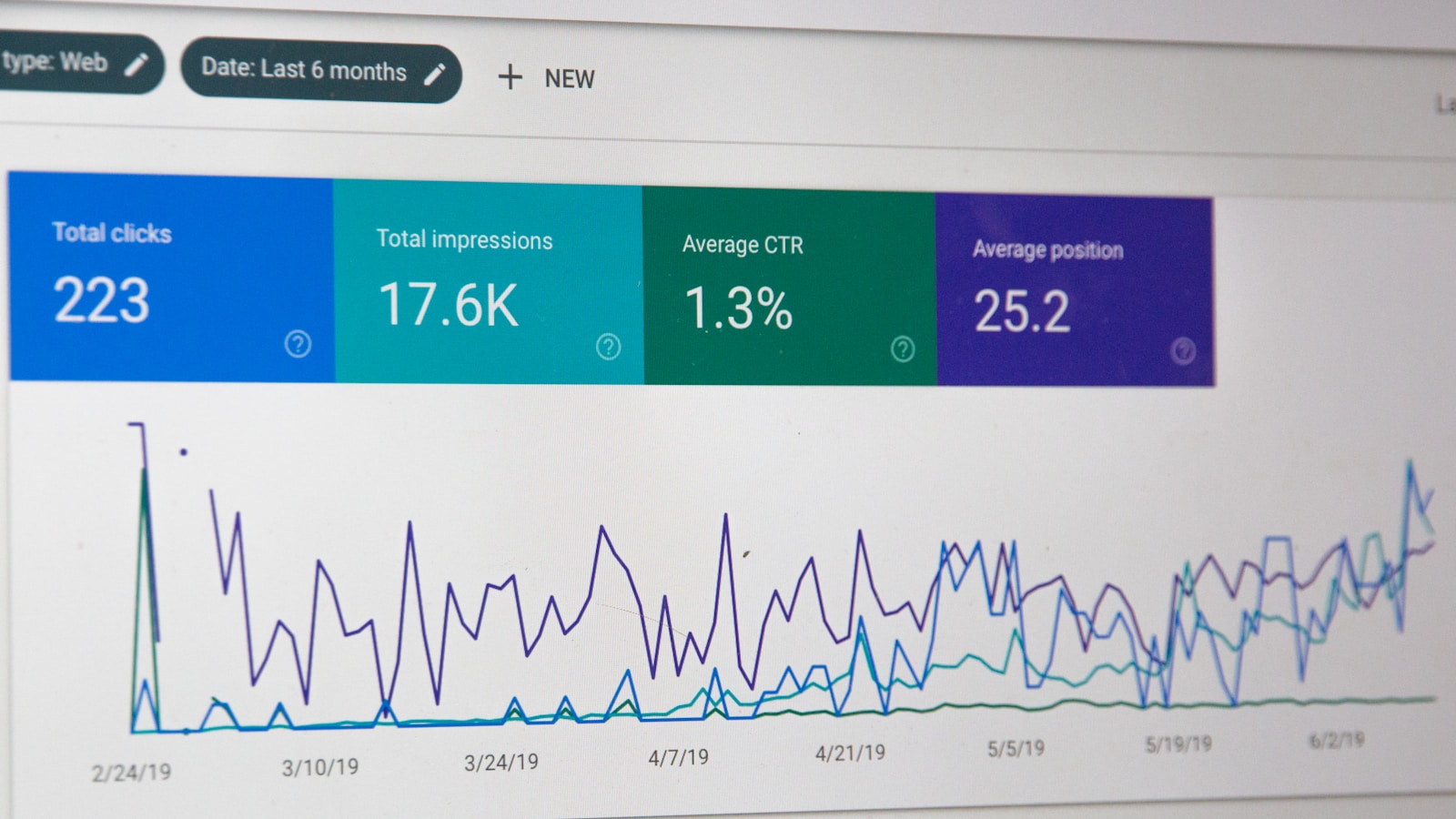
Practical worksheet for provider review evidence
Use this page as a worksheet, not a promise. The strongest finance decision is the one that survives a written checklist after the sales language is removed. On Myyntra, a reader should be able to compare the product, see the risk, and leave for the provider with a small set of precise verification questions. That is why every page links back to About Myyntra and the editorial policy: the article should explain how the decision is framed before it points to any provider.
For this topic, write the decision in one sentence before comparing options. A driver might write, I need a policy that keeps a repair process clear after an accident. A borrower might write, I need a payment I can carry without creating a second emergency. A traveler might write, I need protection for medical exposure and nonrefundable costs. Once the sentence is clear, the comparison becomes more disciplined.
A useful worksheet has four columns: decision factor, provider evidence, reader risk, and verification step. The provider evidence should be a policy form, fee table, claim page, regulator page, or official disclosure. The reader risk should be written in ordinary language. The verification step should be something the reader can actually do before clicking away, such as saving a document, asking a support question, or comparing a fee against total repayment.
Red flags Myyntra watches for
- provider pages that promote benefits but hide limitations.
- rate pages without fee context.
- claim or support pages that do not describe next steps.
- review content that cannot separate evidence from referral incentives.
A red flag does not always mean the product is bad. It means the reader needs a stronger answer before treating the product as a fit. Finance products are often conditional: price depends on underwriting, cover depends on policy wording, support depends on documents, and availability depends on state, country, credit profile, or provider rules. Any page that hides those conditions is asking the reader to carry too much uncertainty.
What to save before acting
- official provider URL.
- policy or fee disclosure.
- support page.
- complaint route.
- state or federal regulator reference.
- date checked.
Saving these items matters because checkout pages, provider dashboards, and support scripts can change. If a claim, billing question, or repayment issue appears later, the reader should not have to reconstruct the decision from memory. Keep the official documents, not only screenshots of marketing pages. If the provider updates terms before purchase, use the newer official terms.
How this connects to the rest of Myyntra
This article is part of a wider insurance and lending cluster. Readers comparing cover should also read How to read policy exclusions before buying cover and Claims support checklist before filing. Readers comparing credit should read Personal loan comparison by APR, fees, and monthly cost and Emergency funding options compared by speed, fees, and repayment risk. Readers checking commercial influence should review Affiliate Disclosure.
FAQ
Does Myyntra rank only affiliate partners?
No. Provider coverage is based on reader decision value. Affiliate availability may affect monetization, but it should not define editorial criteria.
Why do provider pages include regulator links?
Regulator links help readers verify licensing, complaint routes, and consumer rights beyond provider marketing pages.
Can a provider be strong and still receive warnings?
Yes. A provider can have useful products while still having exclusions, fees, or support limitations readers should understand.
How often should provider pages be refreshed?
Finance pages should be refreshed when terms, fees, support routes, or regulator context changes. Readers should still verify current terms directly.
Review scenarios before the provider handoff
Use three scenarios before treating any offer, policy, or provider page as ready. First, test the ordinary case: the reader buys the product, nothing goes wrong, and the only impact is the scheduled payment or premium. In that case the question is whether the cost fits the budget without crowding out more important obligations. Second, test the stressful case: a claim, repayment issue, trip disruption, or support request happens and the reader needs help quickly. In that case the question is whether documents, channels, deadlines, and escalation routes are clear. Third, test the change case: income changes, a renewal arrives, a trip changes, a borrower wants to repay early, or a household member needs different cover. In that case the question is whether the product can adapt without creating a surprise cost.
This scenario test keeps the page from becoming a ranking with thin context. A finance product can look good in the ordinary case and weak in the stressful case. Another product can look expensive at checkout but reduce friction after a loss. Myyntra does not try to decide a personal answer for every reader. The goal is to make the tradeoff visible enough that a reader can ask the provider sharper questions.
When the reader reaches the provider page, the final check is simple: do the official terms still match the decision described here? If a rate, fee, exclusion, claim step, or support promise is missing from the official page, treat the Myyntra article as context and the provider document as the source of truth. Save the provider document, note the date, and do not rely on a marketing sentence when the formal disclosure says something narrower.
Bottom line
A useful finance provider review does not ask, Is this brand famous? It asks, What should a reader verify before trusting this provider with cover, credit, payment, or support? Myyntra's framework keeps that question at the center of every review hub.