
Best Running Shoes for Everyday Training: 4 Evidence-Based Picks
A daily trainer has a hard job. It needs to feel comfortable on easy miles, stable enough for tired legs, durable enough for repeated pavement, and versatile enough that you do not regret packing it for a trip, treadmill session, or long walking day. The wrong shoe usually does not fail dramatically; it just becomes the pair you stop reaching for.
This guide is for runners and activewear shoppers who want one dependable running shoe for everyday training, not a race-day carbon plate shoe or a minimalist gym trainer. Our view: the right daily trainer is not the softest shoe or the fastest shoe. It is the shoe whose cushioning, drop, fit, and outsole match the way you actually train most weeks.
Scope note: Myyntra did not conduct first-hand wear testing for this article. This is a source-based editorial review built from official brand specifications, reputable running-shoe reviews, and retailer spec sheets. Read more about how we handle research and commercial transparency on our About and Editorial Policy pages. Some outbound shopping links may earn us a commission if affiliate tracking is available, but that does not affect our editorial picks.
Best Running Shoes for Everyday Training: How We Chose
For everyday training, we prioritized shoes that make sense for repeated road miles rather than single-purpose speed workouts. The shortlist favors neutral daily trainers with enough cushioning for regular use, clear official specifications, broad size availability, and independent editorial coverage.
We looked at five practical factors:
- Ride purpose: Does the shoe make sense for easy runs, steady miles, treadmill sessions, and walking?
- Cushioning: Is it protective enough without becoming unstable or sluggish?
- Drop and geometry: Does the heel-to-toe drop support the runner type the shoe is aimed at?
- Fit and upper: Does the shoe offer breathable, secure construction without an overly narrow use case?
- Value: Does the shoe justify its typical MSRP compared with similar daily trainers?
Prices change quickly, especially when older colorways go on sale. Treat every price in this article as a checked reference point, then check current pricing before buying.
Quick Comparison
| Shoe | Typical price context | Drop | Claimed / reported weight | Best match | Main trade-off |
|---|---|---|---|---|---|
| HOKA Clifton 10 | Around $155 US retail context; regional prices vary | 8mm advertised | HOKA AU lists 277.83g | Plush daily miles, walking, recovery runs | Less lively than faster trainers |
| Nike Pegasus 41 | $145 MSRP; often discounted by color | 10mm | Nike lists about 297g men's US 10 | Traditional all-round daily trainer | Firmer and less plush than max-cushion shoes |
| On Cloudsurfer 2 | $160 MSRP context | 8-9mm, depending source/spec format | About 261g men's | Smooth cushioned ride, heel strikers | Not the best pick for gravel or wide feet |
| adidas Supernova Rise 2 | $140 MSRP context | 10mm | REI lists 9.7 oz half pair | Stable, guided, moderate-cushion trainer | Less exciting at faster paces |
HOKA Clifton 10: For Plush Everyday Miles
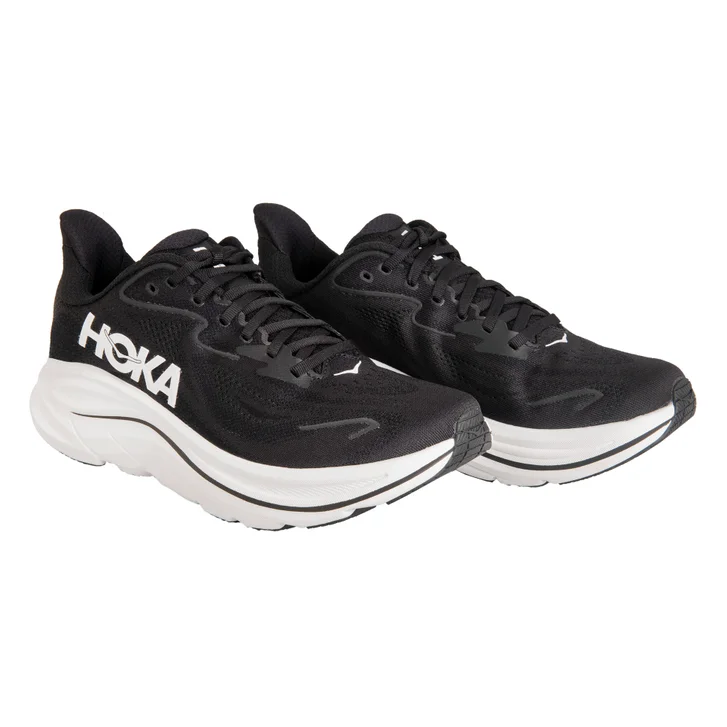
The HOKA Clifton 10 is the most cushioning-forward pick here. HOKA's official product page positions it for everyday runs and walking, with a breathable jacquard upper, CMEVA midsole, Smooth MetaRocker geometry, and an 8mm heel-to-toe drop. The same official page lists the men's shoe at 277.83g, while HOKA's Clifton 10 launch article describes the update as a higher-stack, roomier, more cushioned evolution of the Clifton line.
That makes the Clifton 10 a strong match for runners who want a protective landing more than a snappy toe-off. If your normal week is easy road miles, treadmill sessions, walking, and recovery days, the Clifton is easy to understand: it is built to reduce the harshness of repeated impact.
Independent lab and editorial data support that positioning, with RTINGS describing the Clifton 10 as a dependable daily trainer that prioritizes protection and impact absorption over high-speed rebound. The important caveat is that a plush trainer is not automatically the most stable or energetic choice. If you want a shoe that feels quick during intervals, the Clifton 10 may feel too relaxed.
Choose it if: you want a soft, protective daily trainer for easy miles, walking, long days on your feet, and recovery runs.
Skip it if: you prefer a firmer platform, lower stack feel, or a faster tempo shoe.
Useful source links: HOKA official Clifton 10 page, HOKA Clifton 10 launch article, RTINGS Clifton 10 review.
Nike Pegasus 41: For a Traditional All-Rounder
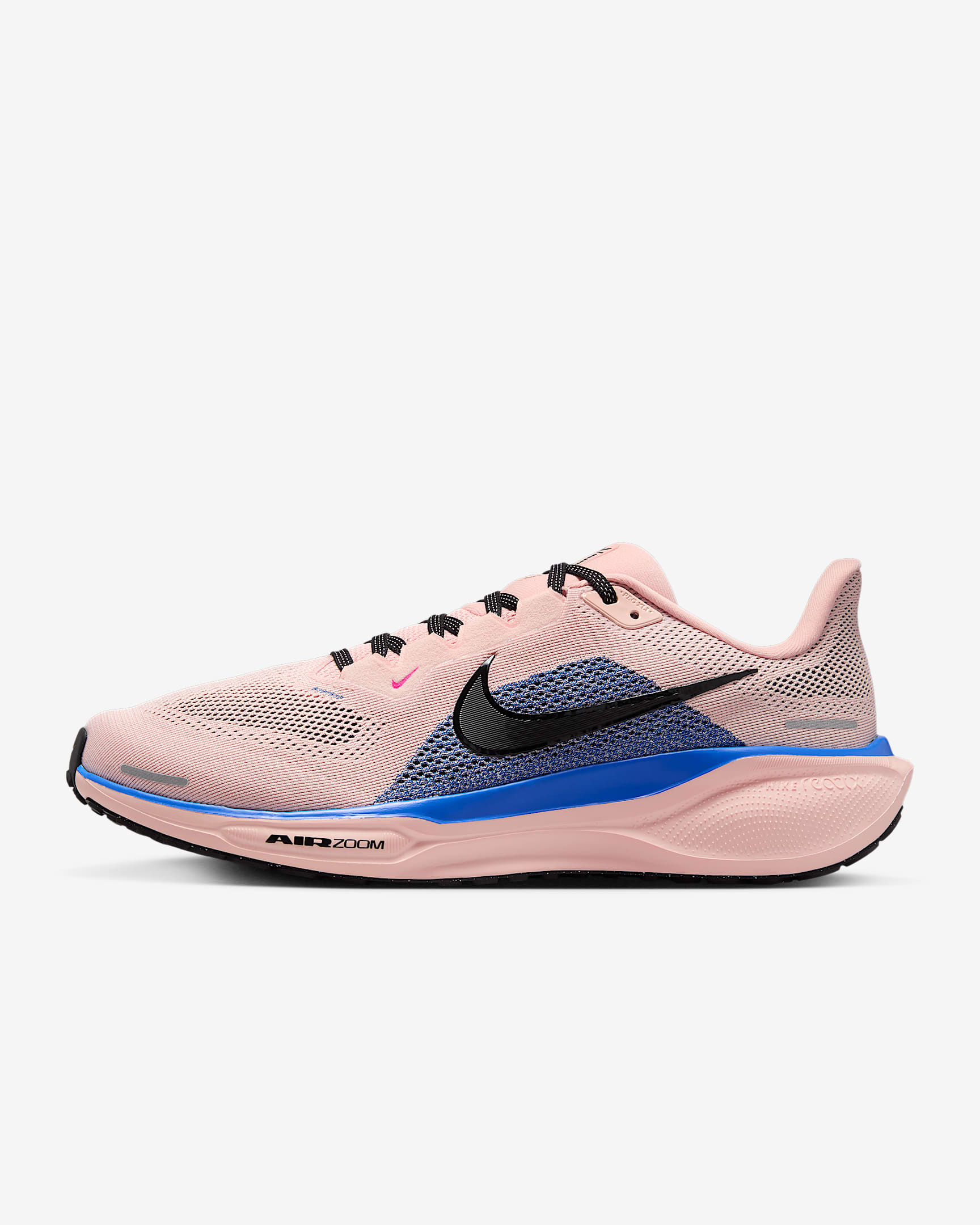
The Nike Pegasus 41 is the most familiar-feeling shoe in this guide. Nike lists it with ReactX foam, forefoot and heel Air Zoom units, a 10mm heel-to-toe drop, and about 297g weight for a men's US 10. Nike also states that the Pegasus 41 uses a lighter, more breathable engineered mesh upper than the previous version and that ReactX improves energy return compared with prior React foam.
The reason it belongs in an everyday training guide is not that it wins every spec category. It does not. Its advantage is balance. The Pegasus line has long been a classic daily trainer, and the 41 keeps that role: enough cushioning for normal mileage, enough responsiveness for steady runs, enough outsole coverage for repeated pavement, and enough structure to feel familiar to runners coming from traditional 10mm-drop shoes.
Treeline Review's tested Pegasus 41 review describes it as a reliable daily trainer with a balanced cushion-to-response feel. That independent read matches Nike's official positioning: this is not a max-cushion recovery shoe and not a plated speed shoe. It is a dependable middle lane.
The value story also matters. Nike's own page often shows some Pegasus 41 colorways below MSRP. If your size is available in a discounted color, the Pegasus can be one of the more rational buys in the category.
Choose it if: you want one shoe for daily road runs, treadmill work, light gym cardio, and occasional faster efforts.
Skip it if: you want maximum softness, low-drop geometry, or a dramatically modern superfoam feel.
Useful source links: Nike official Pegasus 41 page, Treeline Review Pegasus 41 review.
On Cloudsurfer 2: For Smooth Cushioned Transitions
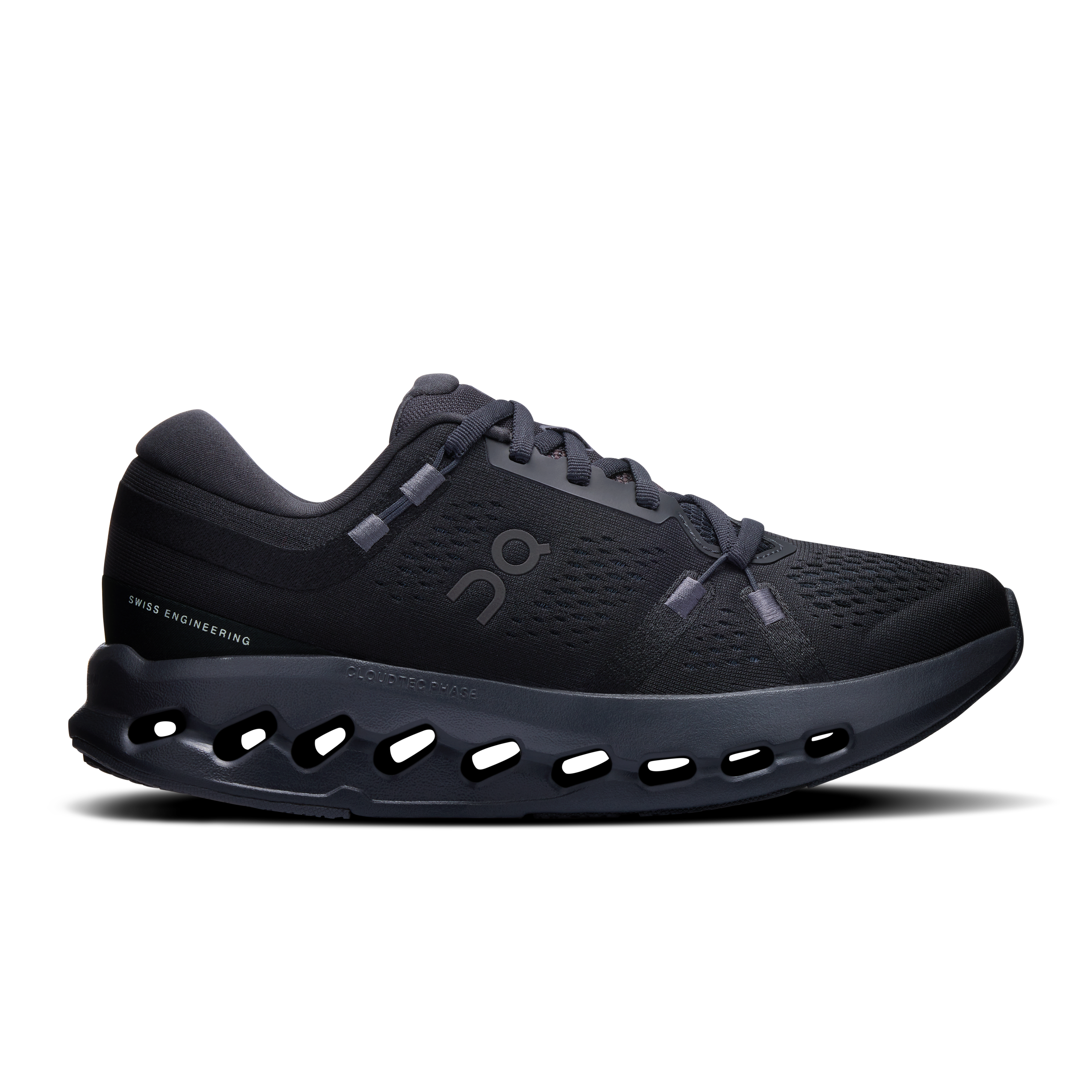
The On Cloudsurfer 2 is the smoothest-feeling concept in this group on paper. On positions it as an everyday running shoe built around CloudTec Phase cushioning, Helion superfoam, a breathable mesh upper, and a durable computer-optimized outsole. Officially indexed product information lists the men's model at 261g, while Treeline Review reports 261g men's, 225g women's, and a 9mm drop.
The Cloudsurfer 2 makes most sense for runners who like cushioning but do not want a shoe that feels like a bulky block of foam. Treeline's review calls out the CloudTec Phase midsole as the defining feature: the cutout geometry compresses and rolls forward to create a smooth transition. That makes the Cloudsurfer 2 especially relevant for heel strikers and runners who want a soft daily ride without stepping into an ultra-maximal shoe.
There are trade-offs. Treeline notes that rocks can get caught in the outsole channel on gravel, and the model is not the obvious choice if you need wide sizing. It is better treated as a road and paved-path trainer than a mixed-surface shoe.
Choose it if: you want a cushioned, smooth, relatively light daily trainer for roads, paved paths, and recovery miles.
Skip it if: you run frequent gravel, need wide sizing, or want a firmer platform for speed work.
Useful source links: On Cloudsurfer 2 official product information, Treeline Review Cloudsurfer 2 review.
adidas Supernova Rise 2: For Guided Comfort and Value
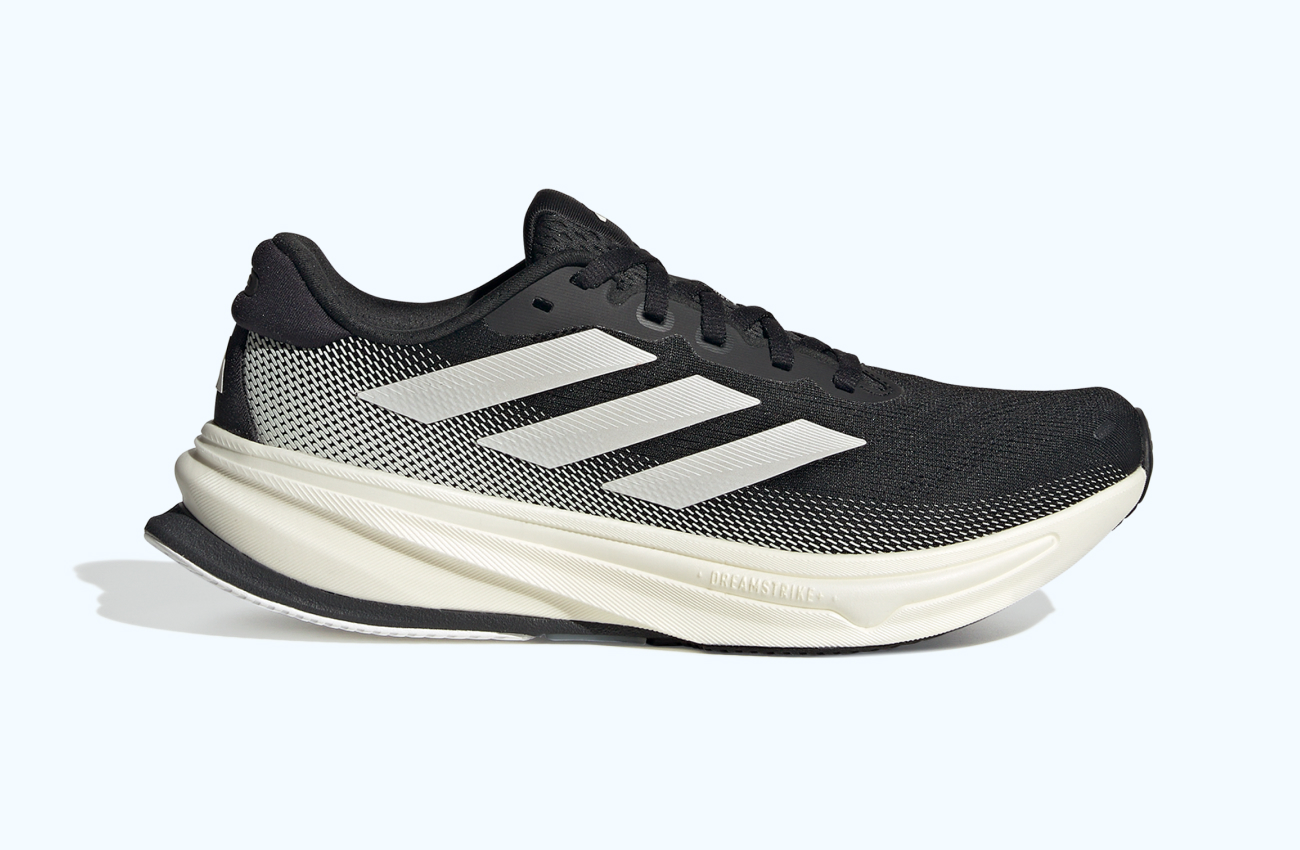
The adidas Supernova Rise 2 is the most practical value pick in this guide. REI lists the men's Supernova Rise 2 at $140, with 10mm drop, 36mm heel stack, 26mm forefoot stack, Dreamstrike+ midsole, Support Rods, Adiwear outsole, and 9.7 oz half-pair weight. Adidas's own running-shoe guide describes the Supernova Rise 2 as a moderate-cushion option with Dreamstrike+ foam and Support Rods that help guide heel-to-toe transition.
This is not the shoe for runners chasing the softest or bounciest daily trainer. Tom's Guide found it solid and good value, but less dynamic than more energetic shoes. That lines up with the design: the Supernova Rise 2 is about comfort, guidance, and a more direct feel underfoot rather than a high-stack bounce sensation.
For everyday training, that can be a benefit. Some runners do not want a tall, soft shoe for every mile. If you prefer a firmer landing, a roomy forefoot, and a shoe that can handle easy runs without feeling unstable, the Supernova Rise 2 is worth considering.
Choose it if: you want a moderate-cushion daily trainer with a guided transition and a lower MSRP than many premium rivals.
Skip it if: you want a lively tempo shoe, plush recovery shoe, or maximal cushioning.
Useful source links: adidas running-shoe guide, REI Supernova Rise 2 specs, Tom's Guide Supernova Rise 2 review.
Which Everyday Running Shoe Should You Buy?
If you want the simplest decision tree, start with your normal pace and preferred feel.
Choose the HOKA Clifton 10 if your priority is softness, impact protection, and easy daily use. It is the most recovery-friendly pick here, especially if you walk a lot in the same shoe.
Choose the Nike Pegasus 41 if you want the safest traditional all-rounder. It is not the plushest or newest-feeling shoe, but it makes sense for runners who want one pair for most workouts.
Choose the On Cloudsurfer 2 if you like a smooth rolling transition and want cushioning without an overly heavy feel. It is especially compelling for paved roads and heel-strike-dominant runners.
Choose the adidas Supernova Rise 2 if you want guided comfort, a firmer ride, and better value at MSRP. It is the least flashy pick, but that can be useful for routine training.
What to Check Before Buying
Fit matters more than spec-sheet ranking. Before ordering, check whether the brand offers wide sizing, confirm return windows, and compare your current shoe's drop to the new shoe's drop. Jumping from a low-drop shoe to a 10mm trainer, or from a low-stack shoe to a high-stack trainer, can change how your calves, Achilles, knees, and hips feel.
For everyday running shoes, also inspect the outsole layout. More exposed foam can save weight and soften the ride, but full or strategic rubber coverage usually helps durability on pavement. If your routes include gravel, avoid shoes with deep channels that trap rocks.
Finally, do not buy a daily trainer only because it is on sale. A discounted shoe that does not match your foot shape becomes expensive if you stop wearing it after two runs.
Internal Reading Path
If you are building a full activewear rotation, start with Myyntra's Top Picks hub for curated product lists, then use our Guides hub for fit and buying criteria. For brand-to-brand shopping decisions, watch the Comparisons hub. You can also review our Editorial Policy to see how we separate source-based analysis from affiliate monetization.
FAQ
What are everyday training running shoes?
Everyday training running shoes are daily trainers built for repeated road miles, treadmill runs, walking, and general aerobic workouts. They usually prioritize comfort, durability, and versatility over race-day speed. Most runners use them for easy runs, steady efforts, and recovery days.
Are max-cushion shoes better for everyday training?
Not always. Max-cushion shoes can reduce harsh impact and feel comfortable on easy miles, but they may feel less stable or less responsive for faster workouts. Choose max cushioning if you prioritize protection and walking comfort. Choose moderate cushioning if you want more ground feel and agility.
Is a 10mm drop good for daily running?
A 10mm drop is common in traditional road running shoes and often feels familiar to heel strikers. It can be comfortable for runners moving from walking shoes into running shoes. If you normally use low-drop shoes, transition slowly because the geometry changes how your calves and ankles load.
Can I use these shoes for the gym?
You can use daily trainers for treadmill running, cardio machines, walking, and light general gym work. They are not ideal for heavy barbell lifting because soft midsoles and high stack heights can reduce platform stability. For heavy lifting, use flatter training shoes.
How often should everyday running shoes be replaced?
Many running shoes are commonly replaced around 300-500 miles, but the right timing depends on your weight, stride, surface, outsole wear, and midsole compression. Replace them sooner if the ride feels uneven, the outsole is worn through, or you notice new discomfort during normal mileage.
Reference Sources
- Nike official Pegasus 41 product page
- HOKA official Clifton 10 product page
- HOKA Clifton 10 launch article
- On Cloudsurfer 2 official product page
- adidas running shoe guide
- REI adidas Supernova Rise 2 product specs
- Treeline Review Nike Pegasus 41 review
- Treeline Review On Cloudsurfer 2 review
- RTINGS HOKA Clifton 10 review
- Tom's Guide adidas Supernova Rise 2 review
Title Candidates
- Best Running Shoes for Everyday Training: 4 Evidence-Based Picks
- 4 Daily Trainer Running Shoes Worth Comparing Before You Buy
- HOKA, Nike, On, or adidas: Which Daily Running Shoe Fits Your Week?
- The Everyday Running Shoe Guide for Miles, Walking, and Gym Cardio
- Best Daily Trainer Running Shoes for Runners Who Want One Reliable Pair